Status of Women in Vedic Culture

Vedic tradition described specific status of women in family and society. In all four Vedas, women are regarded in a way that allows them to live in honor for their importance in society with respect and protection, … Read more
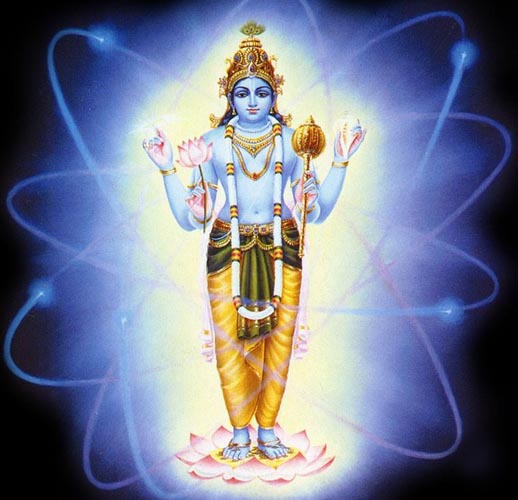
Bhagavata Purana was written around 1800 BCE

Bhagavata Purana (भागवतपुराण), also known as Srimad Bhagavatam means Divine-Eternal tales of Supreme God, with its focus on bhakti (religious devotion) to Supreme God Vishnu (Narayana), primarily focusing on Lord Krishna, who lived on earth around 3200 … Read more

Two Buddhas in Hinduism and Buddhism

Historically there were two Buddhas who took birth in ancient India, but historians and religious hindu gurus tried to project both of them as same person as they felt the purpose of both was the same. The … Read more

Snake vs Mouse story in Bhagavata Purana

Bhagavata Purana (written around 3100 BCE), describes a short story about Snake and Mouse, which describes how one should make terms even with enemies to temporarily solve his problems. This story is referred to in 8th Skandha, … Read more

Brahmastra Nuclear Weapon energized by Gayatri Mantra

Brahmastra (Sanskrit: ब्रह्‍मास्‍त्र, Brahmāstra) was a weapon created by the creator Brahma, for the purpose of upholding Dharma and Satya (truth). When the Brahmastra was discharged, there was neither a counterattack nor a defense that could stop … Read more

Pangea Supercontinent Map description in Ramayana

Earth is believed to have land as Pangaea (pan-jee-ə), which was a supercontinent that existed during the late Paleozoic and early Mesozoic eras, forming approximately 300 million years ago. The oldest epic sanskrit poem, Ramayana, composed by … Read more